



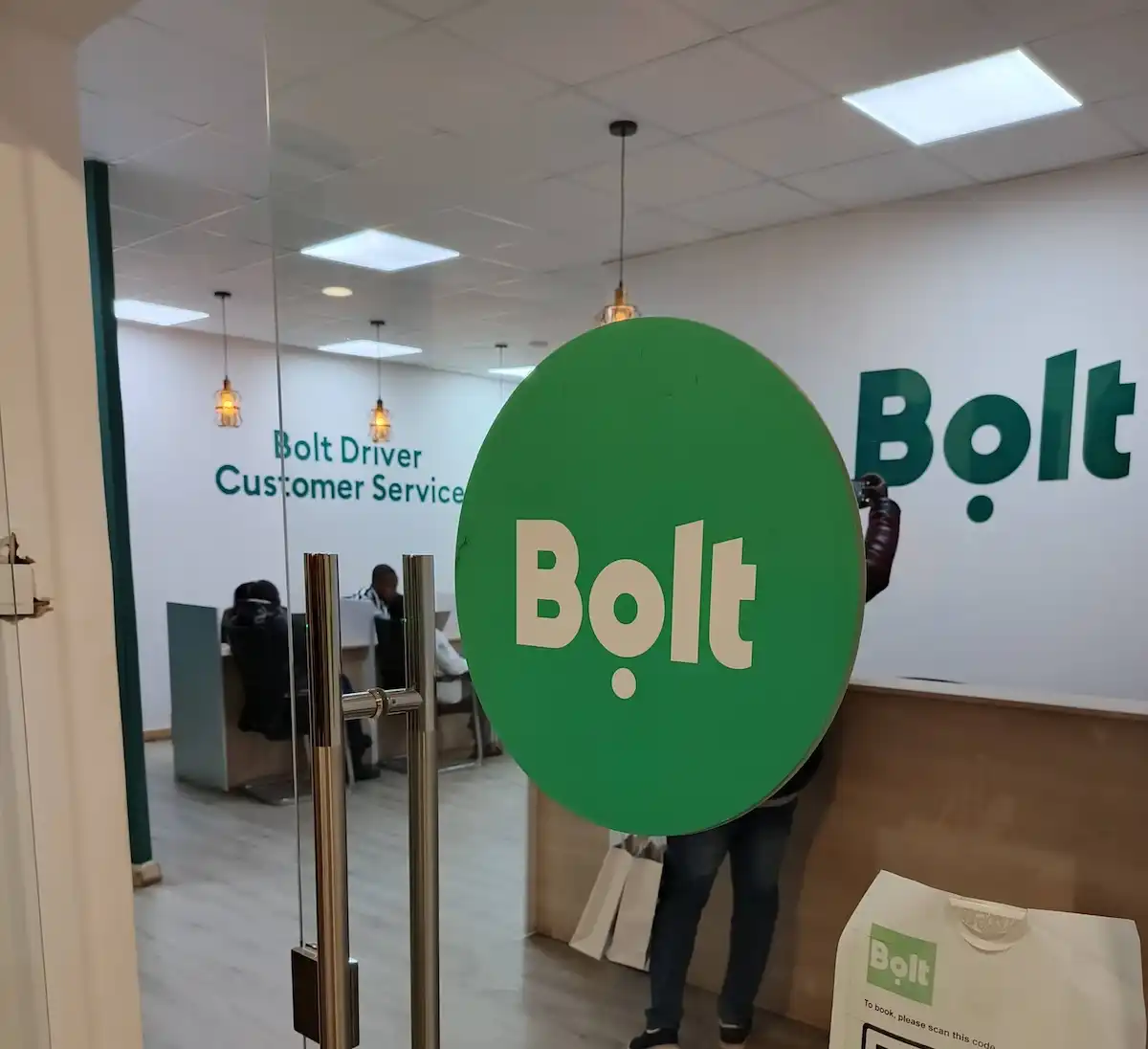
Bolt has released its flagship Gig Economy Report in partnership with Ipsos, revealing how ride-hailing is helping South Africans earn income, build financial independence, and navigate a tough economic environment.
The report provides fresh insight into how digital platforms are reshaping livelihoods, with many South Africans turning to ride-hailing not just as a source of income, but as a pathway into entrepreneurship in the face of high unemployment and rising living costs.
Simo Kalajdzic, Senior Operations Manager at Bolt, said: “In South Africa’s current economic climate, ride-hailing is no longer just about mobility, it’s about opportunity. Many drivers are using platforms like Bolt to build income streams, support their households, and take control of their financial futures. What we are seeing is the rise of everyday entrepreneurship, where individuals are creating flexible, self-directed livelihoods on their own terms.”
The findings reveal that 70% of South African gig workers use ride-hailing as a secondary source of income, highlighting its importance as a reliable side hustle in a challenging economic environment. Meanwhile, 30% of respondents rely on ride-hailing as their primary source of income, underscoring its role as a day-to-day livelihood for many.
The report defines gig work as flexible, short-term income-generating activities enabled through digital platforms. In the context of ride-hailing, gig workers are drivers who use platforms like Bolt to earn income on flexible terms, either supplementing existing earnings or operating as independent micro-entrepreneurs. In South Africa, this model is increasingly translating into tangible livelihood gains.
Ipsos findings show that 70% of drivers use ride-hailing as a secondary source of income, reinforcing its role as a critical financial buffer, while 30% rely on it as their primary livelihood. Importantly, the impact extends beyond income generation; over 90% of drivers report an improvement in their standard of living, with earnings commonly used to cover essentials such as food, rent, transport, and education. These earnings help households stabilise finances, smooth income, and reduce reliance on irregular alternatives. For many, ride-hailing is not just a job, but a gateway into entrepreneurship, enabling individuals to diversify income streams, build resilience, and participate more actively in the economy.
The survey also highlights the motivations driving participation in the gig economy. 32% of respondents cited self-earned income and financial independence as the most important benefit, reflecting a growing desire among South Africans to take control of their earnings. For many, this translates into real-life impact, with drivers noting that ride-hailing enables them to earn additional income while maintaining flexibility and autonomy.
Beyond individual income opportunities, the findings reinforce the growing role of ride-hailing platforms as economic stabilisers in South Africa. With persistently high unemployment, particularly among youth, gig work is helping many households remain economically active, meet basic needs, and improve their overall quality of life. The ability to generate consistent, flexible income is increasingly critical in helping South Africans navigate financial uncertainty.
Bongani Nkosi, Spokesperson for the Gauteng Department of Economic Development (GDED), said: “The findings of this report reinforce the important role that digital platforms are playing in expanding access to economic opportunities across Gauteng. Our partnership with Bolt reflects a shared commitment to enabling inclusive growth, supporting micro-entrepreneurship, and ensuring that more South Africans can participate meaningfully in the economy. As a government, we remain focused on creating an enabling environment that balances innovation with protection and long-term sustainability.”
Soyinka Witness, Strategy Director at Ipsos, added: “This research highlights the growing significance of the gig economy in South Africa’s labour market. A large proportion of participants are using ride-hailing to supplement income, while some rely on it as a primary livelihood. Importantly, many respondents report improved living standards and greater financial stability as a result. These findings point to the critical role that platform-based work is playing in supporting income resilience, entrepreneurship, and broader economic participation.”
The findings come at a time when conversations around the future of work, unemployment, and the role of digital platforms in economic inclusion are gaining momentum in South Africa. Insights from the report provide a compelling perspective on how ride-hailing is shaping income generation, enabling entrepreneurship, and strengthening financial resilience across the country.
For these and more stories, follow us on X (Formerly Twitter), Facebook, LinkedIn and Telegram. You can also send us tips or reach out at [email protected].
Also Read: Over 50% of Kenyan Gig Workers Rely on It as Primary Income, New Bolt-Ipsos Report Finds
