


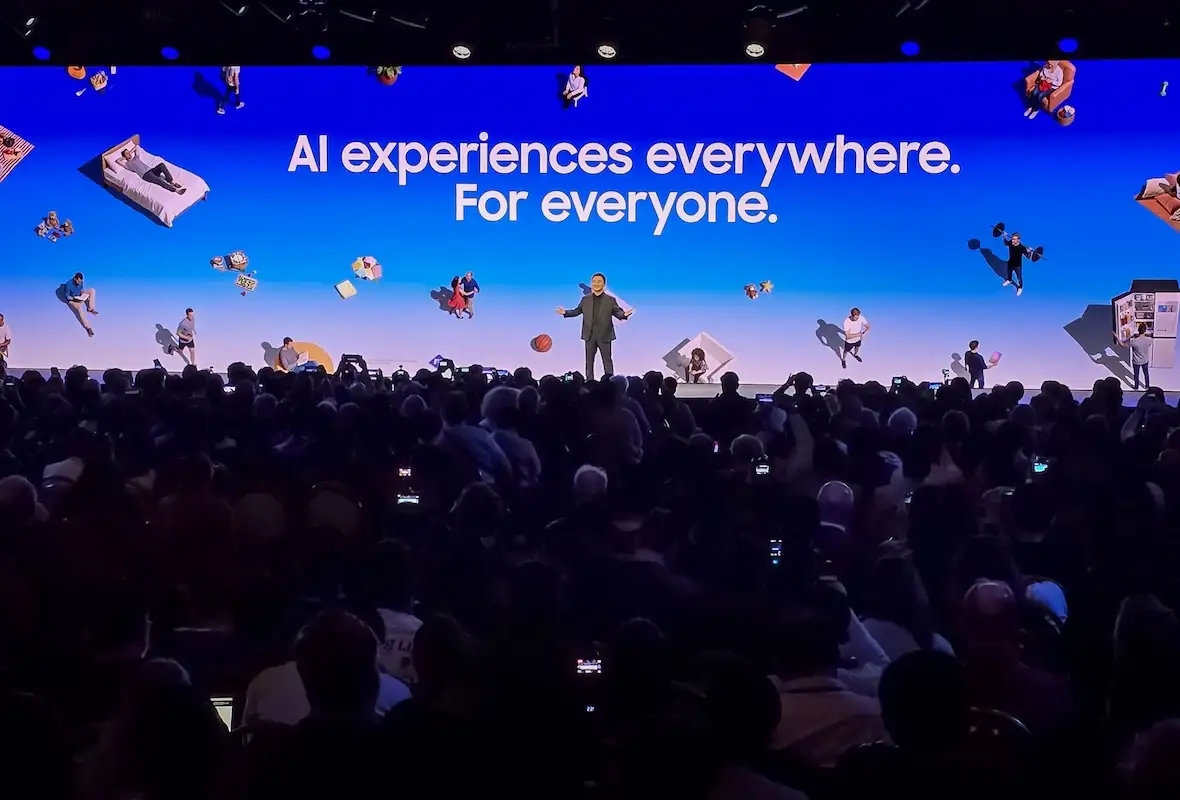
At CES 2026 in Las Vegas, Samsung Electronics brought together industry leaders to make a clear case for the future of the smart home: openness matters. During the first session of its Tech Forum series titled “When Everything Clicks: How Open Ecosystems Deliver Impactful AI,” focusing on why interoperability is becoming essential as homes grow more connected.
The discussion centered on a simple idea — smart homes only become truly intelligent when devices, platforms and services from different brands are able to work together seamlessly. As households increasingly rely on products from multiple manufacturers, panelists argued that closed ecosystems limit both innovation and real-world usefulness.
Why Openness Is Becoming Non-Negotiable
Samsung executives and partners agreed that the next phase of home AI cannot be built in isolation. Instead, collaboration across industries — from appliances and energy to safety and insurance — is what allows connected homes to deliver meaningful outcomes.
Yoonho Choi, President and Chair of the Board of the Home Connectivity Alliance and Head of Strategic Alliances at Samsung Electronics, emphasized that trust is the defining factor for home AI adoption.
“Home is the most personal place in our lives, so home AI must earn trust — quietly, respectfully, and with value users can feel,” Choi said. He added that interoperability across brands is what allows a home to function as a unified system rather than a collection of disconnected features, enabling benefits such as improved safety, simpler daily routines and cost savings built on transparency and user consent.
SmartThings and the Scale of Samsung’s Ecosystem
Samsung also highlighted the scale of its connected home footprint. The company said more than 500 million users are now part of the SmartThings ecosystem, reflecting over a decade of investment in connected living.
That scale, Samsung noted, provides real-world insight into how AI in the home is evolving — from isolated smart devices to system-wide intelligence that coordinates across appliances and services. The goal is to make AI-driven experiences feel intuitive and helpful, rather than technical or intrusive.
Michael Wolf, founder and editor-in-chief of The Spoon, pointed to the kitchen as one of the most impactful areas for broad connectivity. He noted that when appliances can share context — from what’s inside a refrigerator to how water and heating systems operate — homes can move toward preventative, more efficient decision-making that genuinely improves everyday life.
From Partnerships to Tangible Benefits
Beyond convenience, the panel explored how open ecosystems can translate into measurable consumer value. Samsung pointed to its partnership with Hartford Steam Boiler (HSB) as an example of how smart home data, when used responsibly, can unlock new benefits.
Through the collaboration, data from connected home devices can help insurers better understand risk, potentially leading to lower premiums and added protection for homeowners. According to HSB’s Senior Vice President of Strategic Growth Solutions, Jed Usich, this type of integration helps build trust by delivering clear, real-world advantages.
“We’re at a point where the connected home can bring seamless integration into user lifestyles,” Usich said. “That trust opens the door to direct benefits for consumers, including tangible savings.”
Making AI Feel Natural at Home
A recurring theme throughout the session was the importance of emotional intelligence in home AI. Panelists stressed that technology must adapt to human routines — whether cooking, relaxing, entertaining or caring for family — rather than forcing users to adapt to it.
Design, storytelling and an understanding of everyday behavior were all cited as critical elements in ensuring AI feels like a calm, reliable presence rather than a constant interruption.
As AI becomes more ambient and system-wide, Samsung says it will continue prioritizing open collaboration and responsible data use. The company’s message at CES 2026 was clear: the future of smart homes depends on ecosystems that work together — and when they do, the result is connected living that is simpler, safer and genuinely more meaningful.
For these and more stories, follow us on X (Formerly Twitter), Facebook, LinkedIn and Telegram. You can also send us tips or reach out at [email protected].
Also Read: Samsung Unveils World’s First 130-Inch Micro RGB TV at CES 2026
