



Visa has unveiled a suite of new artificial intelligence (AI), stablecoin and tokenization capabilities designed to help financial institutions, fintechs and merchants across Central and Eastern Europe, the Middle East and Africa (CEMEA) prepare for the next generation of digital commerce.
Announced ahead of the Visa Payments Forum in Paris, the new capabilities highlight how AI and blockchain technologies are reshaping both the customer-facing and infrastructure layers of payments. The company says the innovations will enable businesses to deliver more intelligent, secure and programmable payment experiences while maintaining trust and interoperability across the ecosystem.
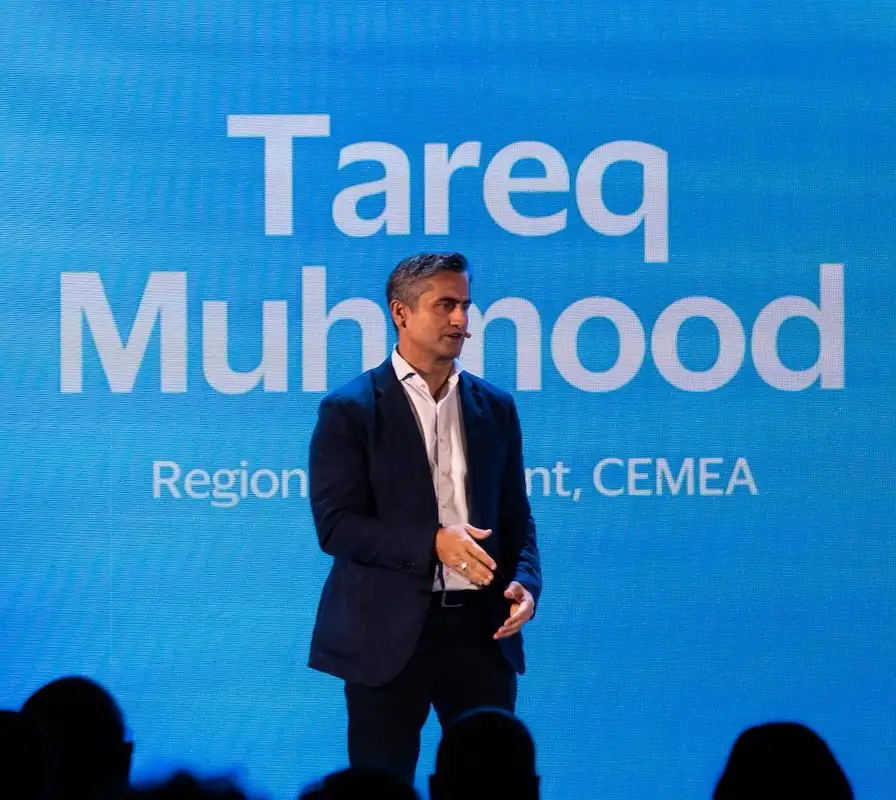
“Commerce is entering a new phase that is increasingly intelligent, programmable, and embedded into everyday experiences,” said Tareq Muhmood, Regional President, CEMEA, Visa.
“For companies serving the digital economy the opportunity is significant, but so is the need for trust and interoperability. Visa is focused on providing the infrastructure and intelligence to innovate confidently across the front- and back-end of payments and deliver better experiences for the consumers and businesses they serve.”
Visa says AI is rapidly changing how transactions are initiated, authenticated and completed as AI-powered agents begin making purchases on behalf of consumers and businesses.
To support this shift, the company is expanding Visa Intelligent Commerce, its platform for agentic commerce, with new tools designed to make AI-driven transactions more secure and transparent.
Among the new capabilities is Agent Score, developed in collaboration with New Generation, which enables merchants to assess whether their websites are ready for AI agents to navigate, understand and complete transactions.
Tokenization Growth Accelerates Across CEMEA
Visa revealed that tokenization continues to gain momentum across the region. The company says tokenized payments represented 26% of Visa transactions in CEMEA in 2023. This rose to to 70% in 2026.
To support increasingly automated commerce, Visa is enhancing payment tokens by embedding richer transaction data, including information about transaction types, where tokens are being used and who is initiating the payment.
The company is also introducing a new token assurance signal, which evaluates tokens throughout their lifecycle using provisioning and behavioural data to generate an additional trust indicator for every transaction.
The company is developing Tokenized Deposits, a technology layer that will allow banks to convert traditional deposits into programmable digital money while keeping customer funds on their balance sheets.
Visa says the platform aims to offer banks many of the benefits associated with stablecoins, including faster settlement and greater programmability, without requiring institutions to move away from conventional banking infrastructure.
According to Visa, the company has processed billions of dollars in stablecoin transactions across VisaNet, reaching an annualized run rate of approximately $7 billion as of March 2026.
In the CEMEA region specifically, stablecoin settlement volumes have increased nearly 60-fold since the capability was introduced a year ago.
Visa is now working to extend seven-day on-chain settlement beyond issuing banks to include acquiring banks, allowing more flexible settlement across the payments ecosystem.
The company added that it now has more than 160 stablecoin-linked card programmes either live or under development globally, enabling consumers and businesses to spend stablecoin balances anywhere Visa is accepted.
Beyond payments infrastructure, Visa also announced a new AI-powered customer intelligence solution for banks.
Called Visa Trip Intelligence, the capability combines VisaNet transaction insights with third-party data to identify when customers are likely planning to travel.
The platform can infer travel intent, generate personalised trip recommendations and provide banks with actionable insights before customers begin travelling. Visa says this enables financial institutions to proactively activate travel-related services, reduce payment disruptions abroad and deliver more personalised customer experiences.
The new capability is launching across the CEMEA region.
For these and more stories, follow us on X (Formerly Twitter), Facebook, LinkedIn and Telegram. You can also send us tips or reach out at [email protected].
