



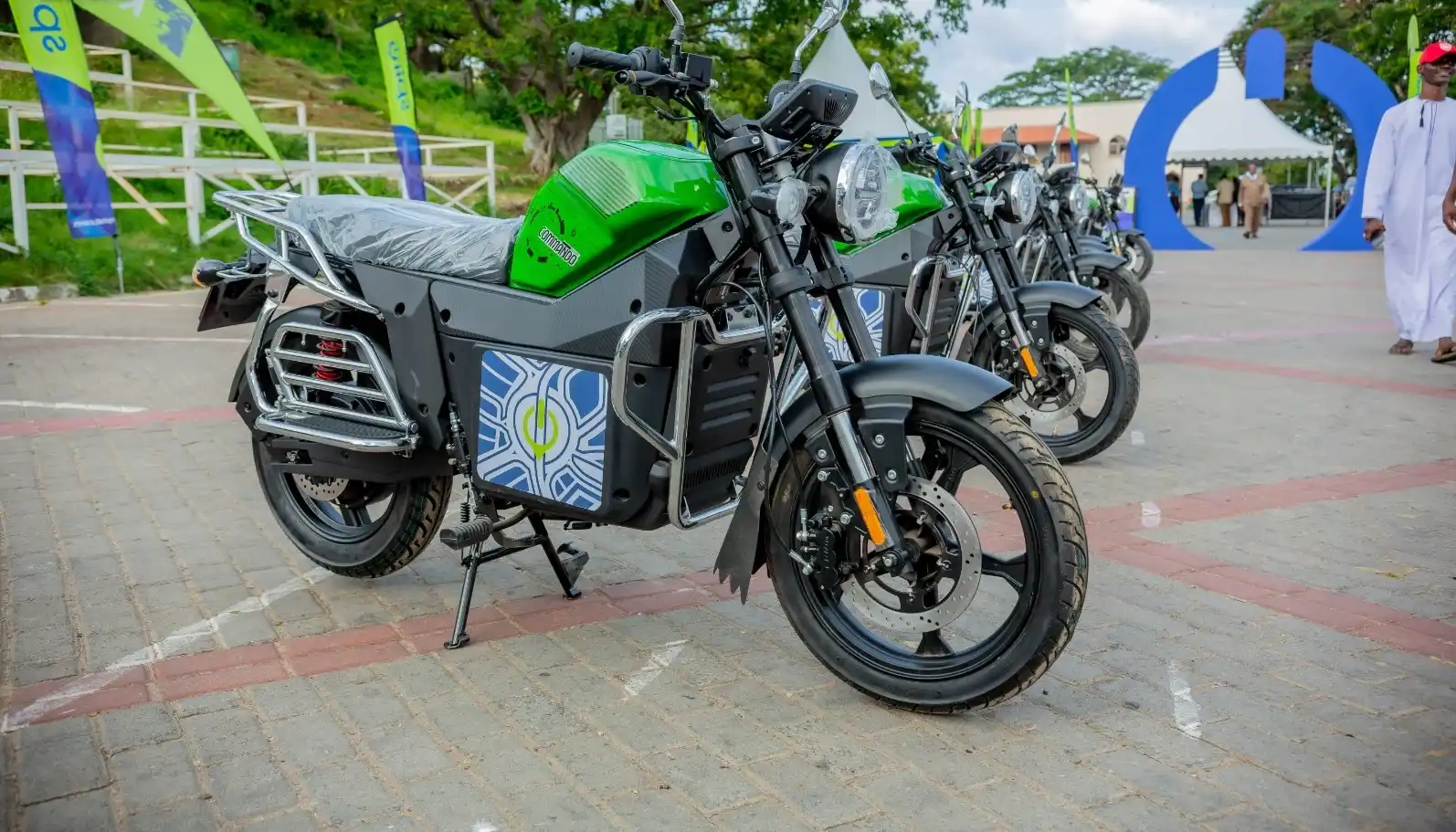
Spiro has announced the acquisition of Coexlion and has also announced plans to establish its first African research and development (R&D) center in Kenya.

The acquisition brings a team of 28 engineers from Coexlion, whose expertise in motorcycle engineering and industrial design is expected to strengthen Spiro’s product development capabilities. The new R&D center will focus on designing and building electric motorcycles tailored to African operating conditions, including road infrastructure, climate and rider economics.
If you have a startup you want featured on TechArena, let us know through this contact form here.
Spirois is clearly moving beyond deployment and infrastructure into deeper control of product design and engineering. The company has rapidly expanded its footprint across multiple African markets, deploying tens of thousands of electric motorcycles and building a growing network of battery swapping stations.
Speaking on the acquisition, Spiro founder Gagan Gupta emphasized the importance of localizing engineering and manufacturing in Africa’s mobility sector.
“For decades, the answer to who designs and manufactures the vehicles that move Africa was: not Africans. This is changing,” Gupta said in a LinkedIn post. “At this scale, we can’t keep using models designed somewhere else. We have to build for local roads, heat and rider realities.”
He added that the combination of local engineering talent, manufacturing capabilities, and market scale, driven in part by frameworks such as the African Continental Free Trade Area is creating the conditions necessary for industrialization in Africa’s mobility sector.
Spiro’s expansion into R&D comes months after the company raised a total of $150 million in funding to accelerate the rollout of its battery swapping infrastructure across the continent. The company currently operates in several African markets and has positioned itself as one of the most scaled players in the two-wheel electric mobility segment.
The establishment of an R&D center in Kenya could further position the country as a growing hub for electric mobility innovation, as companies increasingly look to develop products locally rather than relying on imported designs.
Also Read:
