


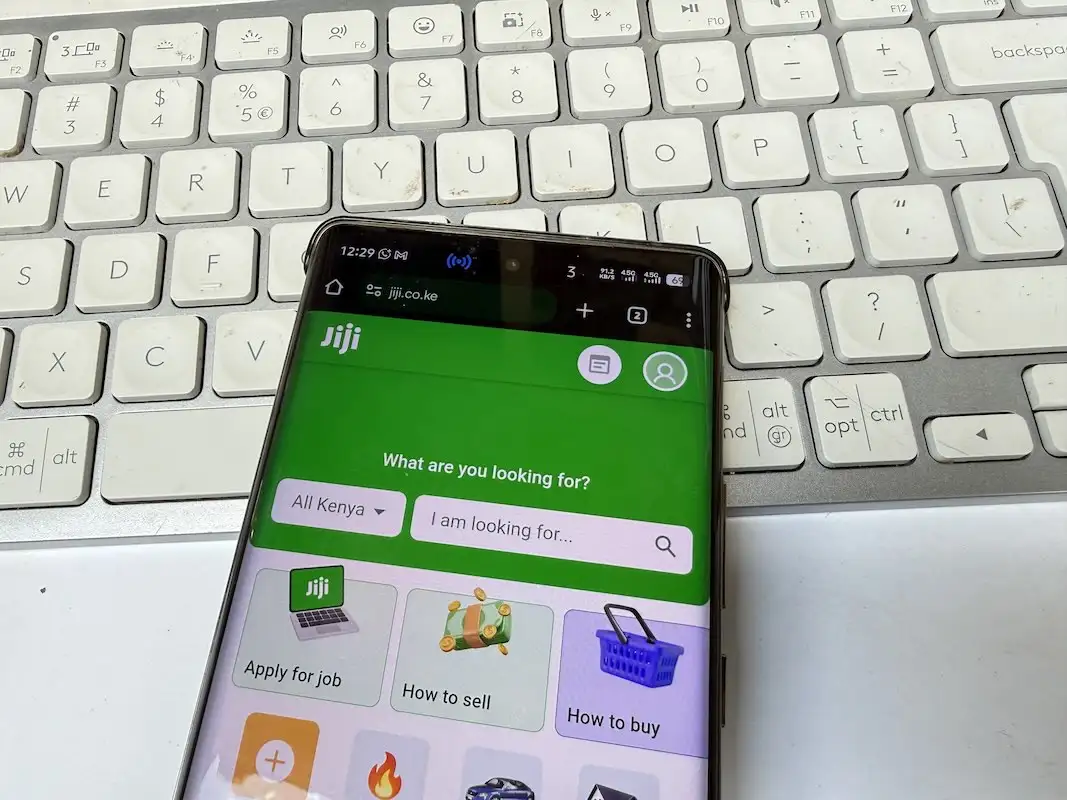
Indian electrical equipment manufacturer Havells India has filed a lawsuit against Jiji Online Marketplace Kenya and a local trader. The company accuses them of selling counterfeit electrical goods bearing its trademark. The case was filed in a Nairobi court as reported by Business Daily and could set an important precedent for how e-commerce platforms in Kenya are held accountable for counterfeit products sold on their sites.
According to court documents, Havells alleges that businessman Duncan Gathu, trading under Dantrixx Electrical Merchants, has been selling fake Havells-branded electrical products, including circuit breakers, on Jiji’s online marketplace. The company claims these counterfeit goods are nearly identical to genuine ones and which makes it difficult for consumers to tell the difference, and that they pose serious safety risks.
In its affidavit, Havells argued that substandard materials used in the fake products could lead to electrical fires and endanger consumers. “These counterfeit goods not only infringe our intellectual property but endanger Kenyan households,” said Harsh Aggarwal, Havells’ representative. The company said it discovered the alleged counterfeits after conducting covert test purchases from the seller.
Pending the full hearing of the case, the court issued a temporary injunction restraining both the businessman and Jiji from importing, advertising or selling any products bearing the Havells trademark. The court also acknowledged that protecting brand reputation and consumer trust is a legitimate business interest that cannot easily be quantified in monetary terms.
Disputed authenticity
Mr. Gathu denied selling counterfeit items claiming that all Havells products he sells were genuine and sourced from ASL Limited, a Nairobi-based distributor. His legal team presented purchase receipts dated between June 2023 and February 2024. They argued that Havells had not produced conclusive evidence proving the goods were counterfeit and that Mr. Gathu was a legitimate reseller.
Havells’ lawyers on the other hand questioned the authenticity of these documents. They pointed out the inconsistencies and a receipt that appeared to have been generated days after the lawsuit was filed. They also argued that Mr. Gathu’s business was registered in 2020, a full decade after Havells trademarked its products in Kenya.
The court issued a temporary injunction after reviewing the submissions and the case will proceed to a full hearing. At the hearing, Havells will have to prove that the disputed products are indeed counterfeit and that Jiji had actual knowledge of this infringement.
Editor’s Note: We have reached out to Jiji Kenya for comment on this case. Responses will be updated when received.
For these and more stories, follow us on X (Formerly Twitter), Facebook, LinkedIn and Telegram. You can also send us tips or reach out at info@techarena.co.ke.