


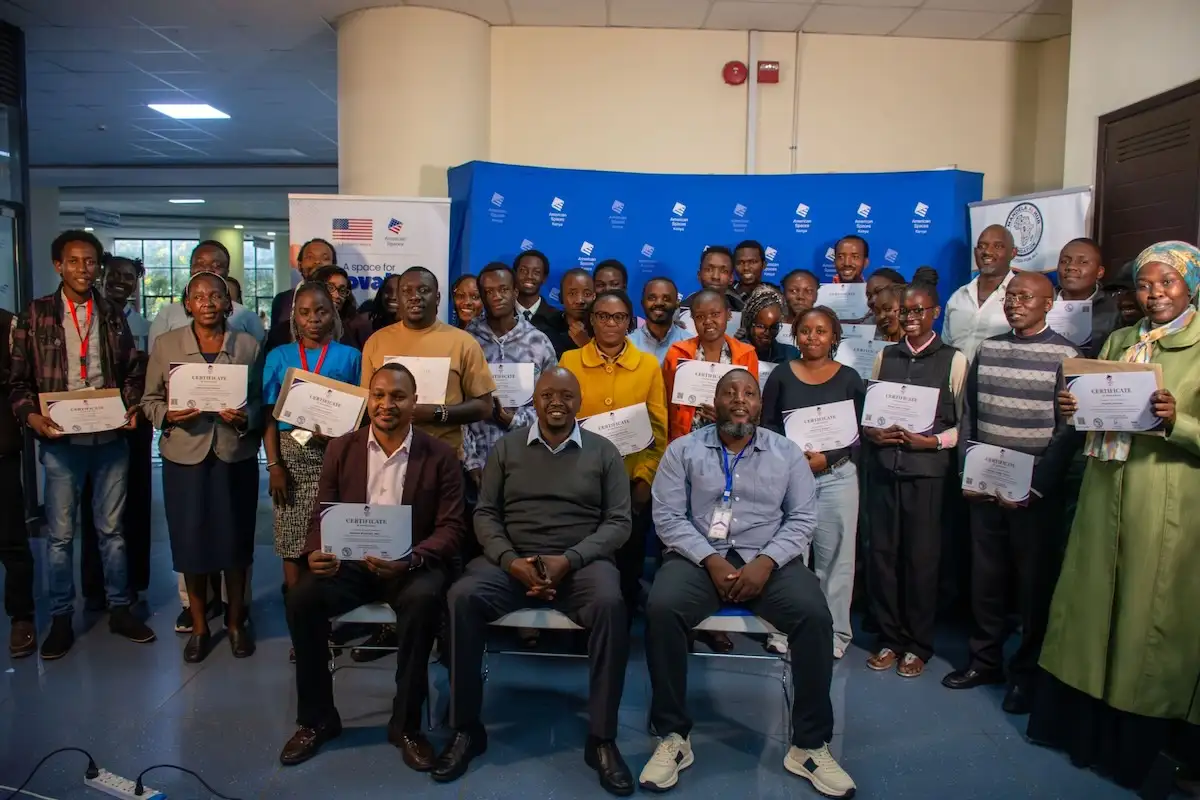
Intel has partnered with the Kenya National Library Service (KNLS) and the Mandela AI Hub Foundation to expand access to artificial intelligence (AI) education through a nationwide programme. The initiative aims to equip Kenyan citizens with foundational AI knowledge and practical digital skills, supporting digital inclusion and workforce readiness in an increasingly AI-driven economy.
The partnership will leverage KNLS’s national library network and community outreach infrastructure to provide access to Intel’s globally recognised AI for Citizens and AI for Current Workforce programmes and the Mandela AI Hub Foundation’s expertise in AI awareness and capacity building. Participants will benefit from free AI training hosted at KNLS branches across the country, designed to help people understand AI’s practical applications in the workplace and everyday life.
Why AI literacy is becoming increasingly important
The need for AI literacy has never been greater. According to the World Economic Forum’s Future of Jobs Report 2025, 86% of employers expect AI and information processing technologies to transform their businesses by 2030, making digital and AI skills increasingly essential for employability, productivity and economic participation.
Intel’s AI for Citizens programme is a non-technical course that introduces participants to the fundamentals of AI while addressing common misconceptions and building a foundational understanding of the technology. The AI for Current Workforce programme is designed for individuals who have completed formal education and want to develop skills that can help them become more effective and productive in the workplace.
“AI has the potential to transform how people work, learn and solve problems, but meaningful adoption begins with understanding. Through our partnership with KNLS and Mandela AI Hub Foundation, we are making AI education accessible to more Kenyans and helping ensure that individuals, regardless of their background or technical expertise, can participate in the opportunities created by the digital economy,” says Susan Mbogo, East and West Africa Regional Manager, Intel Corporation.
Training will be delivered through KNLS libraries nationwide, with additional outreach supported by the organisation’s mobile library services to reach communities beyond major urban centres. Although the courses are delivered online, participants will also be able to join facilitated group sessions designed to encourage discussion, collaboration and peer learning. The Mandela AI Hub Foundation, whose mission is to increase AI awareness and adoption across Africa, will support programme delivery by facilitating training and driving community engagement.
“KNLS has always played an important role in making knowledge accessible to all Kenyans. As AI becomes increasingly embedded in society, libraries now need to ensure citizens have the skills and confidence to engage with these technologies. This partnership strengthens our commitment to digital inclusion and lifelong learning,” says Wafaa Elsawah, Regional Program Manager for Digital Readiness, Intel Corporation.
“The Mandela AI Hub Foundation was established to increase AI awareness across Africa and ensure that more people can participate meaningfully in the continent’s digital future. By combining Intel’s globally recognised curriculum with KNLS’s national reach, we are creating opportunities for all Kenyans to build foundational AI knowledge,” says Oscar Mwai, Executive Director Mandela AI Hub Foundation.
The collaboration forms part of Intel’s broader commitment to advancing digital readiness across Africa. Through partnerships with governments, educational institutions and ecosystem partners, Intel continues to support initiatives that strengthen digital skills, workforce preparedness, innovation and technology adoption across the continent.
For these and more stories, follow us on X (Formerly Twitter), Facebook, LinkedIn and Telegram. You can also send us tips or reach out at info@techarena.co.ke.
Also Read: Origin Labs and Intel advance AI skills and innovation across Africa