


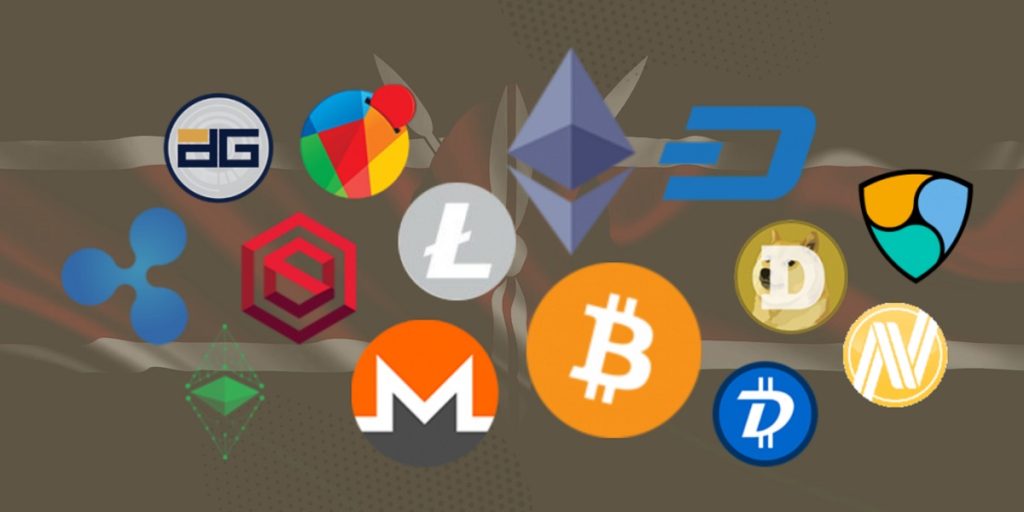
Binance Africa breaks down the basics of crypto wallets in five simple, practical points for anyone considering their first step into digital assets.

Ask ten people what a crypto wallet actually is and you will likely get ten different answers, most of them a little off. It is one of the first things almost anyone encounters when they get curious about crypto and getting it wrong is where a lot of confusion, and sometimes real harm, begins. Here are five things worth knowing before you go any further.
1. A wallet holds keys, not coins. A crypto wallet proves that certain digital assets belong to you and lets you move them. It does not hold coins the way a physical wallet holds cash. What it holds is a set of keys which work as unique codes that give you access to assets recorded on the blockchain.
2. There are two types, and the difference matters. A custodial wallet is one where a platform holds the keys on your behalf, similar to appointing a treasurer to look after a stokvel’s pot. You trust someone else with the day-to-day security, and there is usually a way to recover access if you forget your password. A non-custodial wallet is one where you hold the keys yourself, usually as a seed phrase made up of a set of twelve to twenty-four words. That is closer to keeping cash locked in a tin under your own bed. Nobody else can touch it, but nobody else can help you if you misplace the key either.
3. Nobody credible will ever ask for your seed phrase. Not Binance or any other platform, and not any genuine support agent. If a seed phrase is gone, so is access to whatever it protects, which is exactly why anyone asking for it, however official they sound, should never be given it.
4. A few small habits go a long way. Write a seed phrase down physically rather than storing it as a screenshot. Never share it with anyone. Double-check you are on an official app or website before entering wallet details since copycat versions of popular platforms are one of the more common ways people lose access to their funds. It also helps to turn on any extra security features a wallet offers such as two-factor authentication or a biometric lock, which take only a minute to set up.
5. It is fine to start simple. There is no shame in starting with a custodial option while you get comfortable with how everything works. Many people move toward holding their own keys over time, once they understand the responsibility that comes with it. What matters most, at every stage is knowing which type of wallet you are using and who is responsible for keeping it safe.
“None of this requires special expertise,” said Larry Cooke, Head of Legal, Binance Africa. “It takes five minutes to understand the basics, and that five minutes is worth more than anything you will read about crypto after the fact.”
“Understanding the wallet you are using is also the first step toward everything else in this space, from everyday payments to simply holding value safely,” Cooke added. “Get that part right and the rest becomes far easier to make sense of.”
This is general education, not advice on which product or wallet to use. As with any decision involving your money, take the time to understand your options before you choose.
For these and more stories, follow us on X (Formerly Twitter), Facebook, LinkedIn and Telegram. You can also send us tips or reach out at info@techarena.co.ke.