



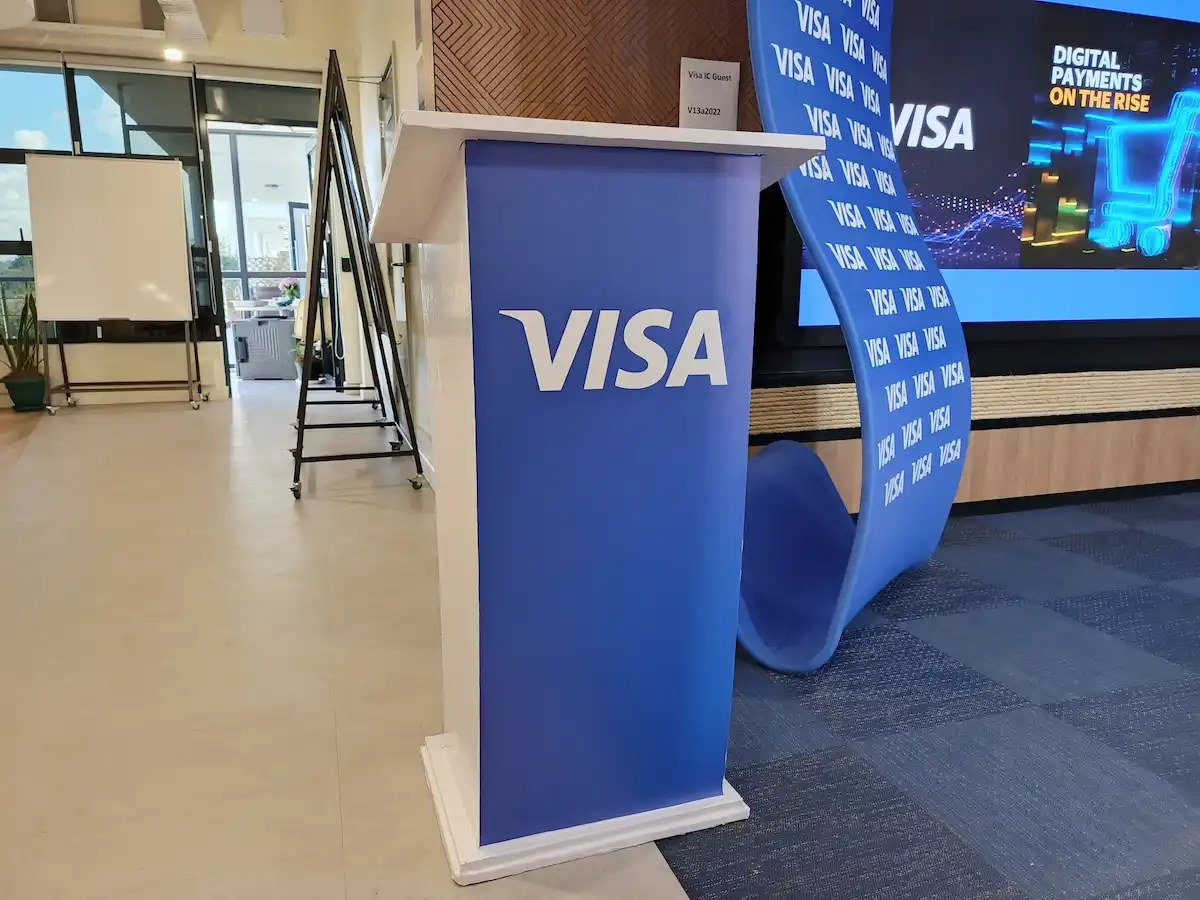
A new study released by Visa reveals that artificial intelligence (AI) is becoming deeply embedded in how consumers discover and shop for products in Kenya.
The findings come from Visa’s latest Stay Secure report, conducted by Wakefield Research. According to the study, 89% of Kenyan consumers have already used AI-powered tools to support their shopping journeys. These tools are being used to compare prices (53%), generate gift ideas (55%) and check product reviews or ratings (60%).
91% of respondents said AI and other emerging technologies have made online shopping faster and easier. AI is also influencing discovery as the study reveals that 61% of consumers report they typically encounter new brands or retailers while shopping online.
Control still matters as only 29% of consumers said they would trust AI agents to complete purchases on their behalf.
Consumers are using AI to shop and increasingly view it as a weapon against fraud. Some 44% think AI has made scams easier to spot, while 82% believe it will be an important tool to protect users from fraud in the future.
A striking 85% of consumers have purchased products directly through social media platforms. This signals a shift away from traditional e-commerce channels.
“Visa’s Stay Secure study shows that while online shopping and social commerce continue to grow, scams and fraud are evolving too. Consumers see fraud protection as a shared responsibility, but they expect financial institutions, governments, and payment providers to take the lead, underscoring the importance of secure-by-design payment systems,” said Irene Auma, Head of Risk, Sub-Saharan Africa, Visa.
Over a third (37%) of respondents reported experiencing a financial scam in the past year. Among these cases, 58% occurred on social media, more than on websites, marketplaces or dedicated shopping apps.
The study also found that 81% of respondents believe children struggle to identify scams and 62% have witnessed a child fall victim to one while gaming or shopping online.
Kenyan consumers believe it should be institutions and not individuals that should take the lead when it comes to fraud prevention. When asked who should be responsible, close to half (48%) believe government authorities and regulators should be in charge, followed by payment providers (36%) and banks (29%). Only 12% feel consumers themselves should be primarily responsible.
Around 67% of respondents said they would feel safer receiving real-time alerts from banks or payment apps when suspicious activity is detected.
For these and more stories, follow us on X (Formerly Twitter), Facebook, LinkedIn and Telegram. You can also send us tips or reach out at [email protected].
Also Read: M-PESA GlobalPay Visa Card Crosses 316,000 Active Users as Kenyans Embrace Virtual Card Payments
