



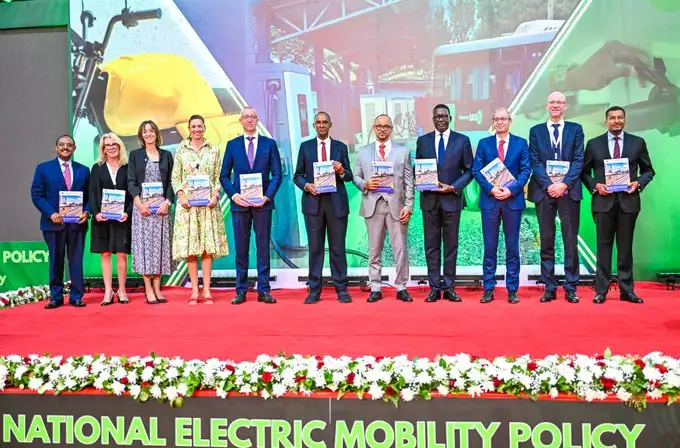
Kenya has officially launched its National Electric Mobility (e-Mobility) Policy. This policy was formally launched by the Cabinet Secretary for Roads and Transport, Mr. Davis Chirchir, EGH.
Speaking at the launch ceremony held at the Kenyatta International Convention Centre (KICC), CS Chirchir said the adoption of electric vehicles (EVs) would significantly reduce Kenya’s annual petroleum import bill – currently estimated at US$5 billion, which places considerable strain on the country’s foreign exchange reserves, undermines energy security and exposes the economy to global fuel price volatility.
If you have a startup you want featured on TechArena, let us know through this contact form here.
What Is the National e-Mobility Policy?
The National Electric Mobility Policy is Kenya’s official framework for adopting and regulating electric vehicles (EVs) across all transport categories. This covers motorcycles and bicycles and alsobuses, private cars and commercial fleets.
Its goal is to cut dependence on imported fuel, lower transport emissions, improve air quality, strengthen energy security and create new jobs in green industries.
Why Is Kenya Pushing for EVs Now?
Kenya currently spends about USD 5 billion every year on petroleum imports. That’s a huge strain on foreign exchange, energy security and the economy.
According to government data, fuel imports rose from KSh 348 billion in 2021 to KSh 628 billion in 2023. The data also shows that transport is one of the biggest contributors to emissions and fuel consumption
Electric mobility offers a way to reduce fuel import bills, stabilize transport costs, use Kenya’s renewable electricity (over 90% is green) and shield the economy from global oil price shocks.
EV adoption in Kenya is no longer theoretical, as of 2025, Kenya had 39,324 registered EVs, up from just 1,378 in 2022. This is a 2,700%+ increase in three years. The fastest growth has been witnessed in electric motorcycles (especially bodaboda), electric bicycles and delivery and logistics fleets. Affordable models and asset financing from banks and fintechs have played a big role.
What Incentives Does the Policy Introduce?
The government is backing EV adoption with tax relief through the Finance Bill 2025. This includes zero-rated VAT on electric buses, electric motorcycles, electric bicycles and lithium-ion batteries. It also includes 0% excise duty on electric motorcycles, electric bicycles and lithium-ion batteries.
This moves aims at making EVs cheaper to import, assemble and operate.
Charging Infrastructure?
One of the biggest gaps today has to do with charging stations that are still concentrated in Nairobi.
The policy supports expansion of EV charging into other towns and highways, encourage private-sector investment in charging networks and integration of charging into real estate, malls, offices, and fleet depots.
For these and more stories, follow us on X (Formerly Twitter), Facebook, LinkedIn and Telegram. You can also send us tips or reach out at [email protected].
Also Read: Kenya Unveils Ambitious AI Strategy for 2025-2030
