



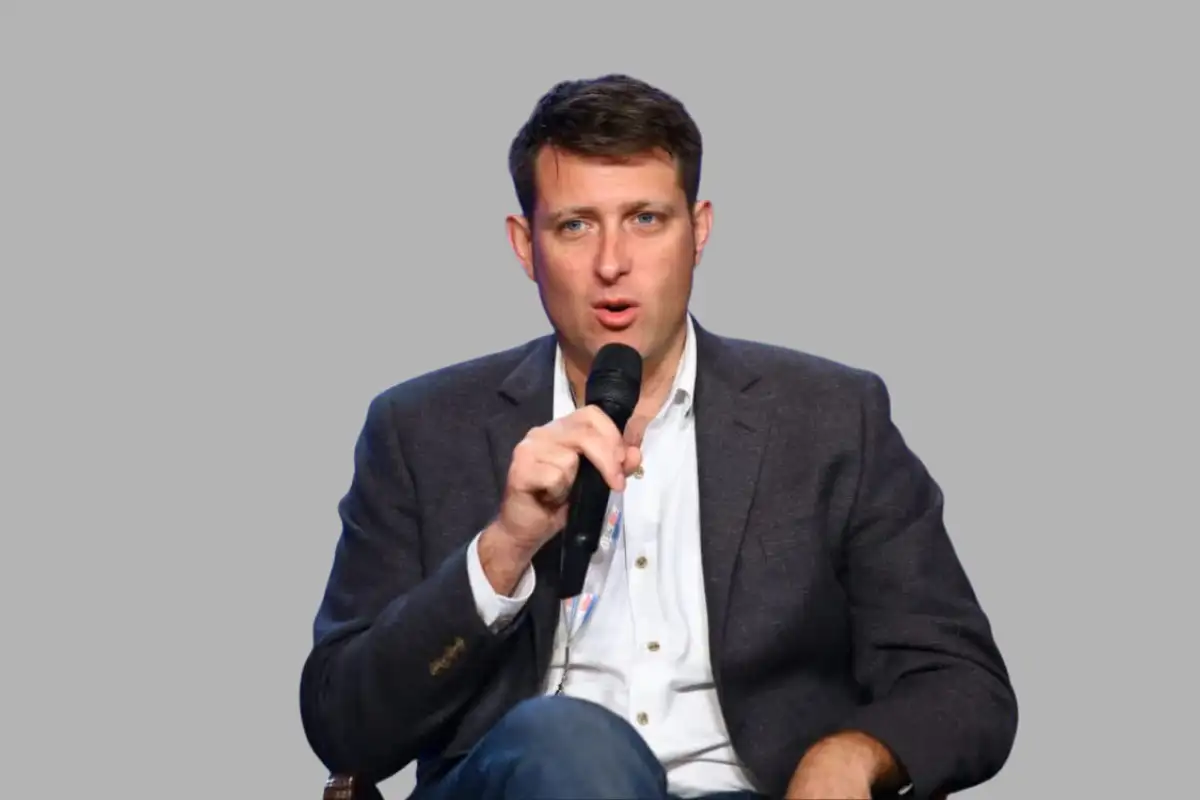
When Josh Whale talks about electric mobility in Africa, he does not sound like a CEO pushing a trend. We had a chat with Josh Whale, Ampersand’s co-founder and CEO, to hear firsthand about the journey, challenges and innovations behind Africa’s electric mobility shift.
Ampersand’s story formally starts in Rwanda in 2019 when the company launched its first commercial electric motorcycle. Behind that public debut were two years of intense R&D that began around 2017. Since then, the company has grown from a handful of prototypes to a fleet of roughly 8,000 active riders across East Africa, including more than two years of operations in Kenya.
If you have a startup you want featured on TechArena, let us know through this contact form here.
From the beginning, Whale says the vision was never simply to build electric bikes. It was to become an energy company for commercial mobility in Africa. That meant understanding exactly how boda riders earn, how they lose money and what kind of reliability they expect from their machines.
Commercial riders cover more distance than any other vehicle group on the continent. They also feel fuel costs more acutely than anyone else. Switching them to electric promises major savings, yet the math only works if riders can stay on the road. That is how the Ampersand team landed on battery swapping early in the company’s life.
Why Battery Swapping?
Electric vehicles are known for a simple equation: higher upfront cost because of the battery, lower cost per kilometer because electricity is cheaper than petrol. For boda riders who easily cover more than 100 kilometres a day, that cost-per-kilometer saving is a game changer. But asking them to wait hours for a charge would eliminate the benefit entirely.
Battery swapping solves that problem. A rider pulls into a station, hands over a depleted battery, receives a charged one, and is back on the road within minutes. The model already works in places like Taiwan and China, but Africa’s context added another twist. Staffing costs for swap stations are far lower in the region, making high-density networks financially viable.
Whale explains it simply. The most expensive energy is the energy a rider cannot access. Lost time equals lost earnings. A typical rider in Rwanda or Kenya takes home around two to three dollars a day after spending almost five dollars on fuel and maintenance. Reducing that fuel spend by a third while removing oil changes altogether can double their income. That impact is only possible if the batteries and bikes keep moving without breakdowns or long wait times.
Reliability is Key
A big part of Ampersand’s success comes down to a choice most consumers never think about: battery chemistry. Whale gives a crash course in LFP versus NMC batteries. While NMC batteries were once cheaper and provided more range, they also degraded faster and charged more slowly. Ampersand chose the LFP route, which offered triple the cycle life, better safety and faster charging. For commercial fleets, those differences add up to fewer batteries required, lower long-term costs and better uptime for riders.
At the time, no one was making LFP batteries for two-wheelers. Ampersand had to build the first production LFP motorcycle battery system in the world. That investment turned into a moat as the market matured. Today, other companies experimenting in East Africa often struggle with reliability issues that lead to rider protests and pressure from regulators. Ampersand’s system, while not perfect, is trusted by riders who want predictable swaps, long battery life and bikes that do not leave them stranded with passengers on board.
BYD Moment Opened the Door for Partnerships
Around two years ago, a global shift changed Ampersand’s trajectory. As chip shortages eased and new lithium refining capacity came online, the price of high-quality EV batteries dropped sharply. Europe and the United States responded with steep tariffs to protect local automakers. For Chinese EV and battery companies that had finally hit global-competitive quality, those markets suddenly became hostile.
That was Africa’s opening.
Major Chinese manufacturers started looking outward, and BYD was one of the first to approach Ampersand. After studying the East African market and speaking to regional distributors, BYD concluded Ampersand had the strongest model and network. That validation triggered a wave of interest. Motorcycle OEMs began reaching out, eager to build bikes that could run on Ampersand’s battery swapping infrastructure.
Why Wylex?
Among the OEMs knocking, Wylex stood out. The company sits in a unique position. It builds high-performance electric motorcycles and also has an established petrol motorcycle business. Its upcoming line features a patented high-torque motor design and next-generation controllers. For Ampersand, Wylex represents a partner that can scale fast without compromising on performance.
Wylex can focus on building great motorcycles. Ampersand provides the batteries, swap network and local assembly support. The result is a model that speeds up Africa’s shift to electric two-wheelers without forcing manufacturers to build entire energy ecosystems from scratch.
With this new strategy, any motorcycle manufacturer that wants to integrate with Ampersand’s platform can do so, provided they meet performance, safety and reliability standards. The company shares the technical specifications and architecture needed to make their bikes compatible with the swap network. In return, riders get more choice, OEMs get a proven energy partner and Ampersand expands its reach without carrying the burden of building every vehicle itself.
From early prototypes in a Kigali garage to partnerships with global OEMs, Ampersand’s journey reflects something deeper happening in Africa’s mobility sector. The shift to electric is no longer an experiment. It is becoming a full ecosystem powered by engineering decisions, market realities and the simple fact that boda riders need machines that work every single day.
Whale says the goal is still the same as it was on day one. Build a system that is cheaper and better than fuel. Everything else flows from that.
For these and more stories, follow us on X (Formerly Twitter), Facebook, LinkedIn and Telegram. You can also send us tips or reach out at [email protected].
Also Read: Ampersand Opens a New Electric Motorcycle Manufacturing Facility in Nairobi
