


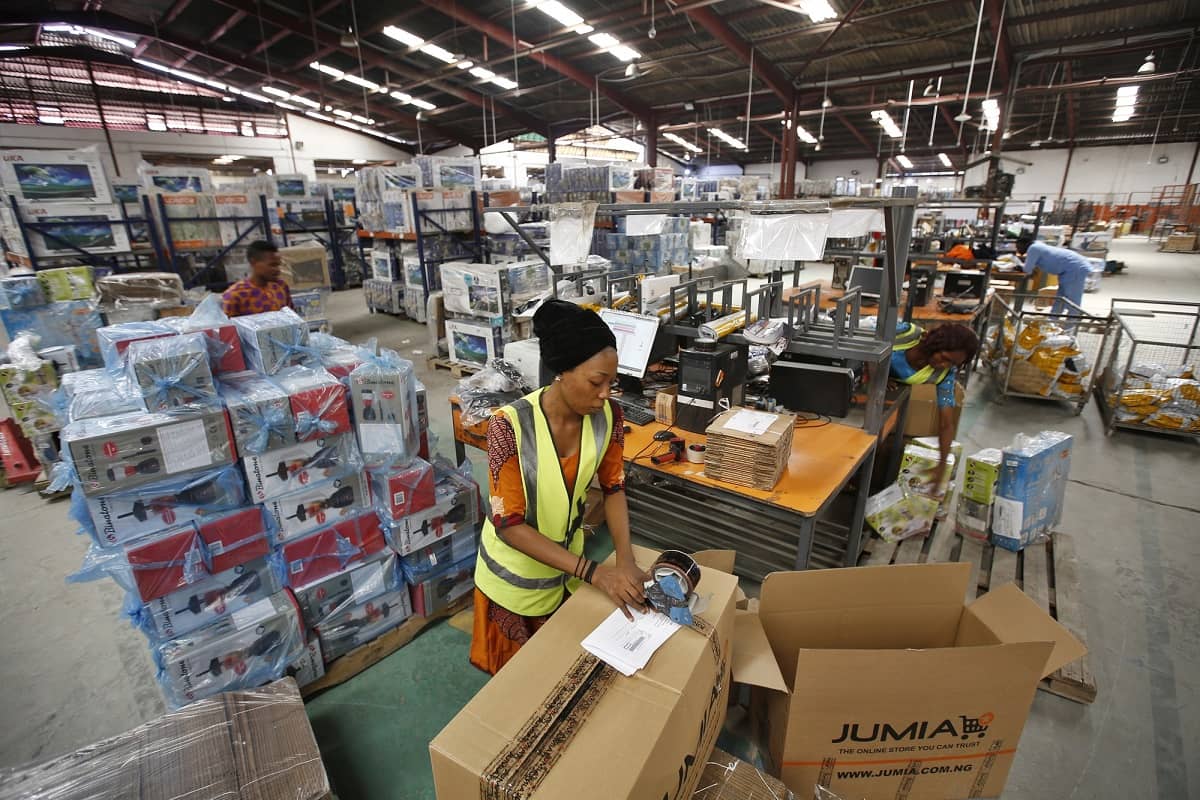
Jumia has recently been forced to overhaul its terms and conditions by the competition watchdog in the Common Market for Eastern and Southern Africa (Comesa) according to the Business Daily. This decision was made after the Commission found that Jumia had been excluding itself from being a party to the contract for sale or purchase between customers and its agents, thereby shielding the company from any liability arising from the transactions. This practice is a common one among e-commerce firms, including Amazon, and has led to numerous product liability cases in recent years.
The Comesa settlement now holds Jumia liable for the safety and quality of products sold on its platform by third-party merchants, which make up about 90% of the items sold on the platform. This means that Jumia will have to recall any defective or unsafe products sold by third-party agents and will be responsible when customers cannot trace the vendors. The decision is aimed at protecting consumers and ensuring that they have a legitimate expectation that Jumia should have adequate terms and conditions for engaging the sellers. This should have been the case from the beginning in my opinion and it could have prevented some of the not so good experiences some Jumia customers have faced.
Jumia, which has a presence in 23 countries in Africa, including Kenya, Uganda, Egypt, and Tunisia, has agreed to start disclosing to customers details such as the name, location, and contact of the entity to be served for legal purposes in case of a dispute. The company has also committed to ensuring that information posted on the platform is complete, accurate, and up-to-date and that customers who demonstrate that they have relied on wrong information to purchase any item can return it. The firm has further amended its terms and conditions to reflect that where it is the seller, they are a party to the contract of sale and “therefore liable if the product is not fit for the purpose.”
The decision by the Comesa Commission is a significant one as it has the potential to affect other online marketplaces. Online marketplaces in general are known to have a high risk for scammers, counterfeiters, and products that are misrepresented, especially where they rely on third parties as suppliers. This decision could force e-commerce firms to take more responsibility for the products sold on their platforms by third-party merchants.
The problem of quality control has affected other online shops as well. Safaricom, the largest mobile network operator in Kenya, in November 2019 announced a reduction in the number of products available on its e-commerce platform, Masoko, and cut ties with several vendors citing quality concerns. It now stocks mobile phones and accessories only. This move was aimed at protecting its customers from substandard and counterfeit products.
The decision by the Comesa Commission is a step in the right direction for the e-commerce industry in Africa. It shows that the industry is growing and that regulators are starting to take notice of the challenges facing consumers in the online marketplace. It also shows that e-commerce firms have a responsibility to ensure that the products sold on their platforms meet the required safety and quality standards. This decision could also lead to increased trust in the e-commerce industry, which could, in turn, lead to more customers and increased revenue for the firms.
